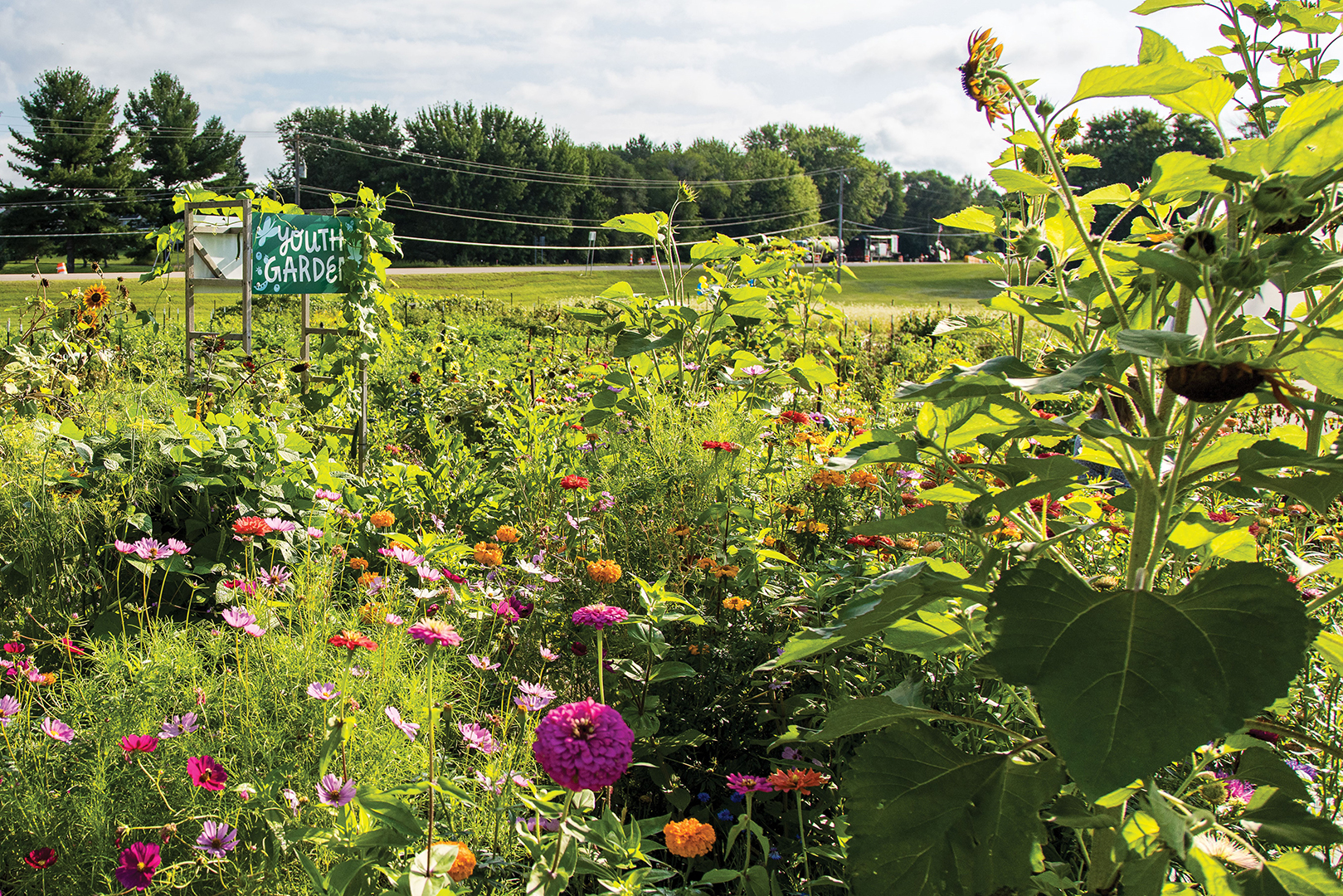
Located in an area that is considered a food desert, Cimarron Community Farm fills an important need. The farm improves food access with neighborhood food distribution and a free farmers market that’s open to the broader community, serving up to 120 families biweekly. Photos: Chris Emeott
An area farm offers a free market, garden plots and educational opportunities.
Just north of Woodbury, across from I-94, Cimarron Community Farm sits tucked inside the Cimarron Park mobile home community—an unexpected pocket of agriculture, connection and education. What began in 2010 as a grassroots effort to address food access has grown into a vibrant neighborhood hub under co-directors Madeline Esterl and Elise Hanson.
In 2020, Esterl and Hanson, both experienced in regional agriculture education programs and organizations, learned the farm was looking for new leadership. The space had existed for a decade, led by a team that recognized the importance of bringing healthy produce and food education directly into Cimarron Park, a neighborhood with few grocery options (what experts now call a “food desert”) and unique economic challenges. The original programming focused on cooking classes, garden plots and youth education, and although each year looked a bit different, Esterl says, “The mission had always been food-oriented in that neighborhood.”
When Esterl and Hanson took over operations, they jumped right in and began imagining what the farm could be. “We spent the fall, winter and spring cleaning things out, setting up the organization and getting people on board. It was an ‘if you build it, they will come’ thing,” Esterl says. The first growing season of the revitalized Cimarron Community Farm was summer 2021. “When we started, we were really enthusiastic about being organic farmers. Then, after getting to know our neighbors there, we found ourselves more activated by the education and community support aspect of the farm,” Esterl says. Instead of farming for its own sake, the work became about relationships.
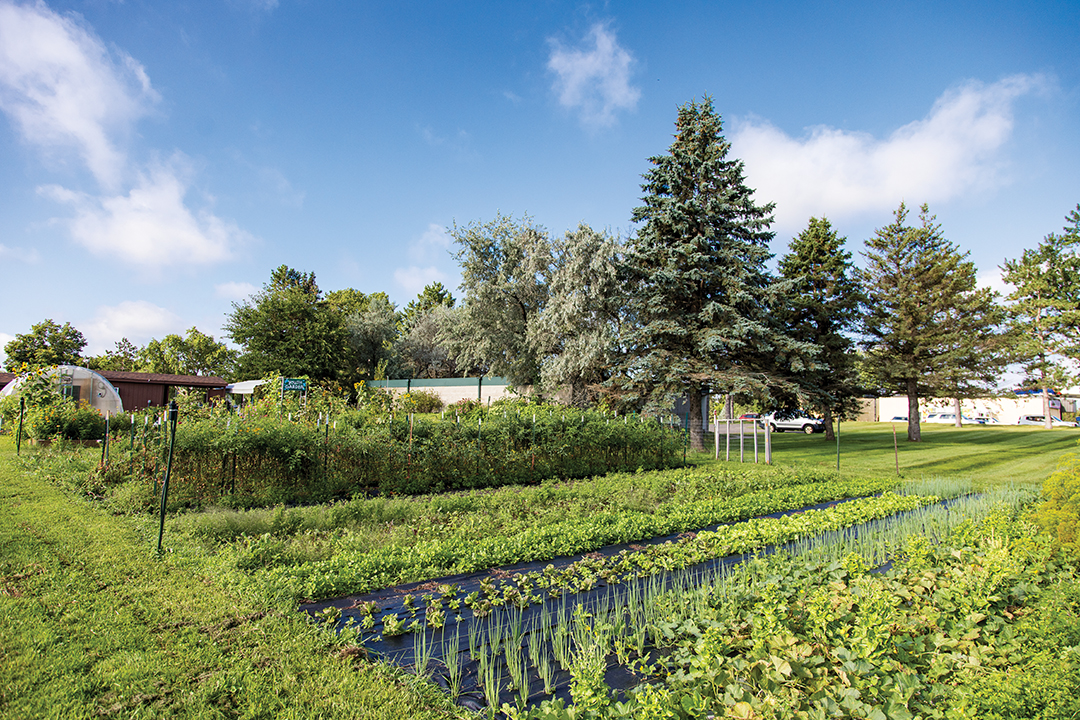
That community-minded approach is woven through the programs now offered at Cimarron. Fourteen families receive free garden plots each year—a blend of experienced growers and beginners. “It’s a good opportunity for people to learn how to grow food,” Esterl says. Many families who immigrated from other countries also grow culturally significant crops, “that we [in Minnesota] don’t know about, and you can’t find in grocery stores,” she says.
Bi-weekly during the growing season, residents can also come to the farm to pick up free produce, sometimes alongside pantry staples from partner food shelves, at its free farmers market, which serves between 70 and 120 families biweekly. Esterl says the free farmers market has turned into an informal gathering place. “People love just showing up … everyone just lingers and hangs out, and it’s a great community space,” she says.
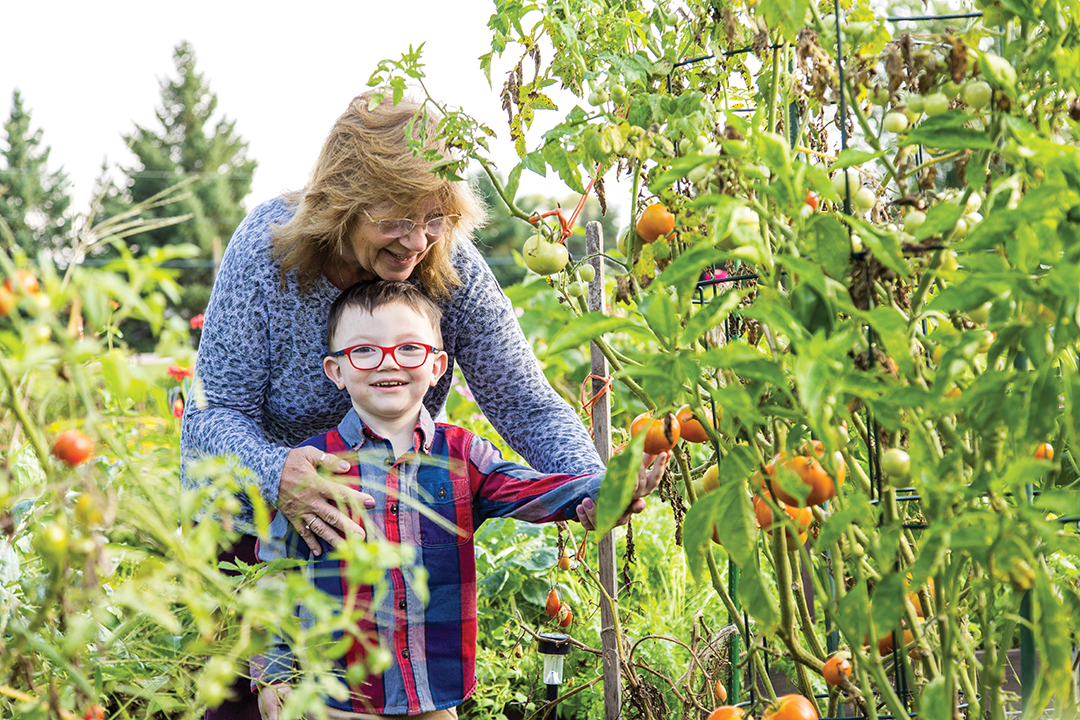
Along with classes and youth programs at Cimarron Community Farm, local families have another opportunity to dig in. Michele Roth and her grandson, Kash, are one of 14 Cimarron Park families with a free garden plot at the farm. Last year was Roth’s first time gardening, and she and Kash enjoyed visiting the plot daily to weed, water and watch their food grow.
Michele Roth, who has lived in Cimarron Park for 32 years, says the farm “offers a way for my neighbors and myself to enjoy fresh produce and to participate. Last summer was my first year of growing my own garden. My 4-year-old grandson, Kash, helped me and was so excited every day to go up to the garden, to water it and watch it grow.” Roth says Esterl and Hanson are “wonderful, and they work very hard.”
Young people are central to the farm’s mission. During summer day-camp-style programs for Cimarron Park residents, little kids learn to compost, cook, harvest produce and plant seeds. “They like anything dipped in ranch, so it’s an easy sell,” Esterl says with a laugh. Teens take on leadership roles, from farm-to-table cooking to communications and tending the crops themselves. In some years, up to 30 kids participate weekly over the summer—a remarkable number for a community of 500 households.
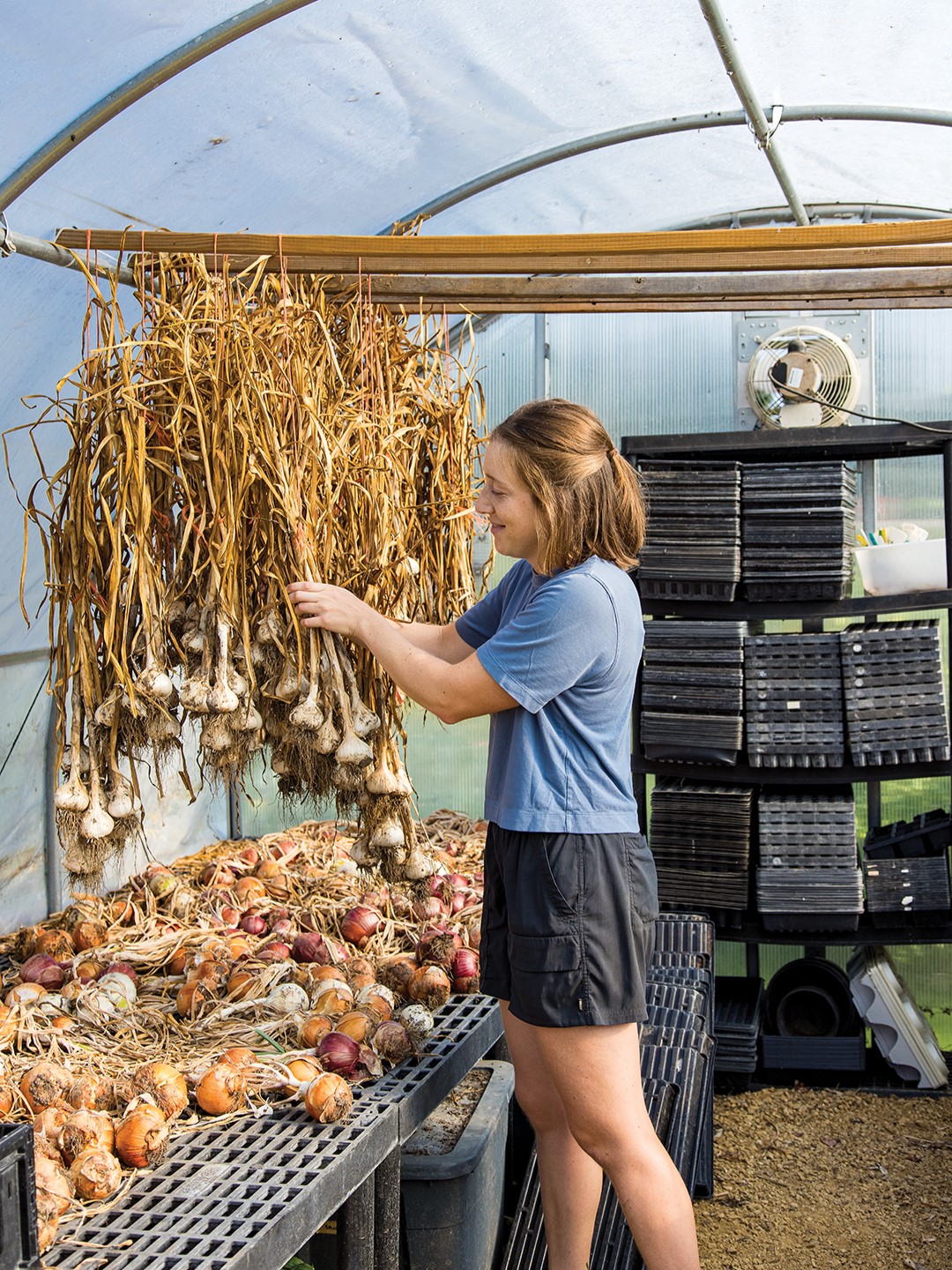
Cimarron Community Farm co-director Elise Hanson checks on the drying garlic and onions as the end of the 2025 growing season nears.
The experience matters deeply in a neighborhood where kids navigate both social and economic disparities. Esterl says, “They get to go back to school with their peers, and they get to say, ‘I have learned how to do all of these things.’”
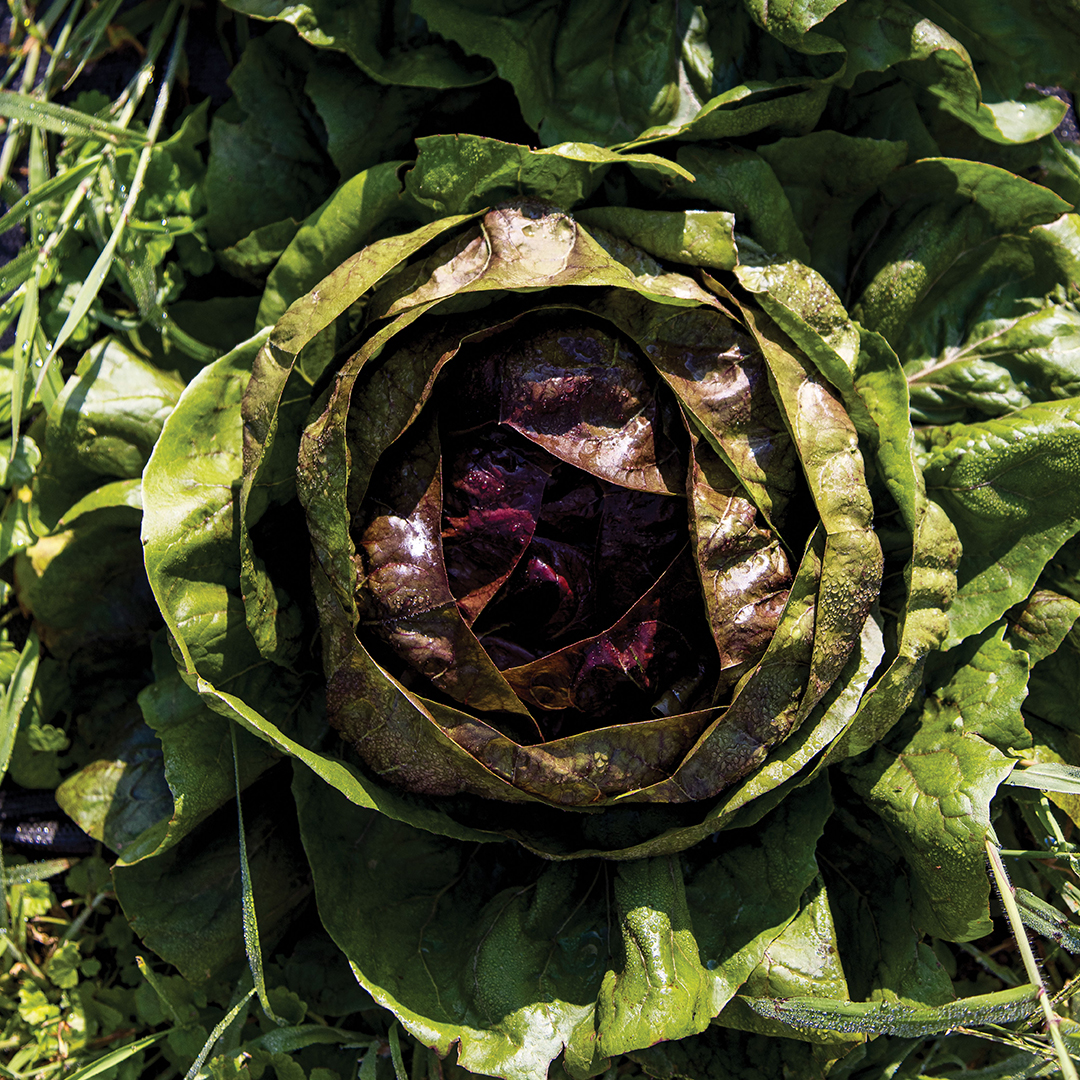
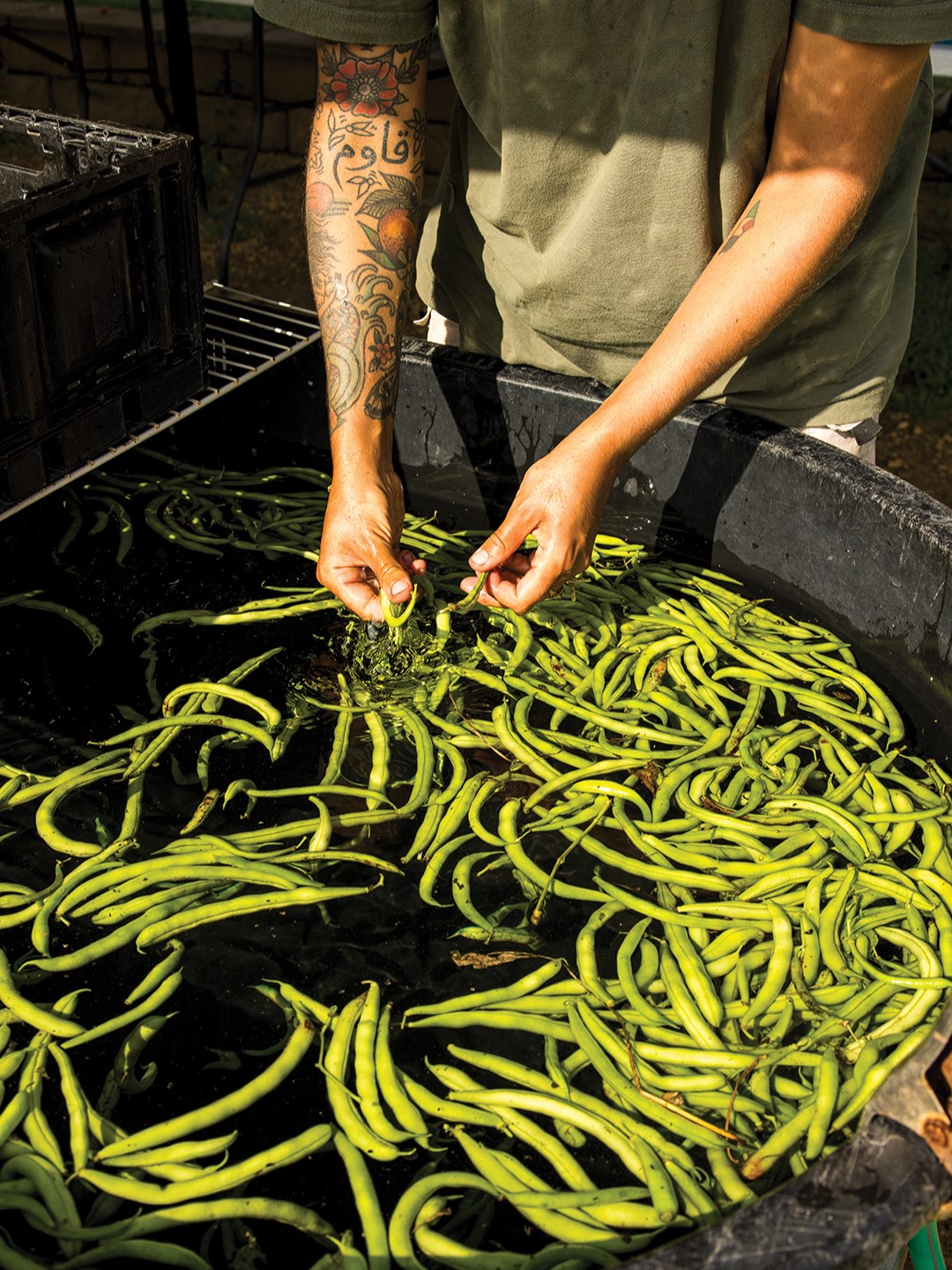
Visitors are often surprised by the variety growing in the fields: more than 80 kinds of vegetables each season. Community-supported agriculture (CSA) shares are available to purchase for the general public every summer, offering a way for neighbors to support the farm and local food access. Boxes include everything from broccolini and Napa cabbage to winter squash. Looking ahead, the farm hopes to add more perennial crops, including rhubarb and other fruits, and to continue tending a pear tree that’s getting more abundant each year.
Participating in the Cimarron Community Farm is a great way to support it’s mission to provide fresh food and education to neighbors.
For nearby neighbors, getting involved and making a difference in local food access can be as simple as joining a CSA, volunteering at a farm event or stopping by the free farmers market, which is open to the public. “People engaging with our CSA is always an awesome way to invest in their neighbors,” Esterl says. And for those who come simply to pick up food—no payment, no questions asked—she has a clear message: “Money shouldn’t be a restriction to what you can eat.”