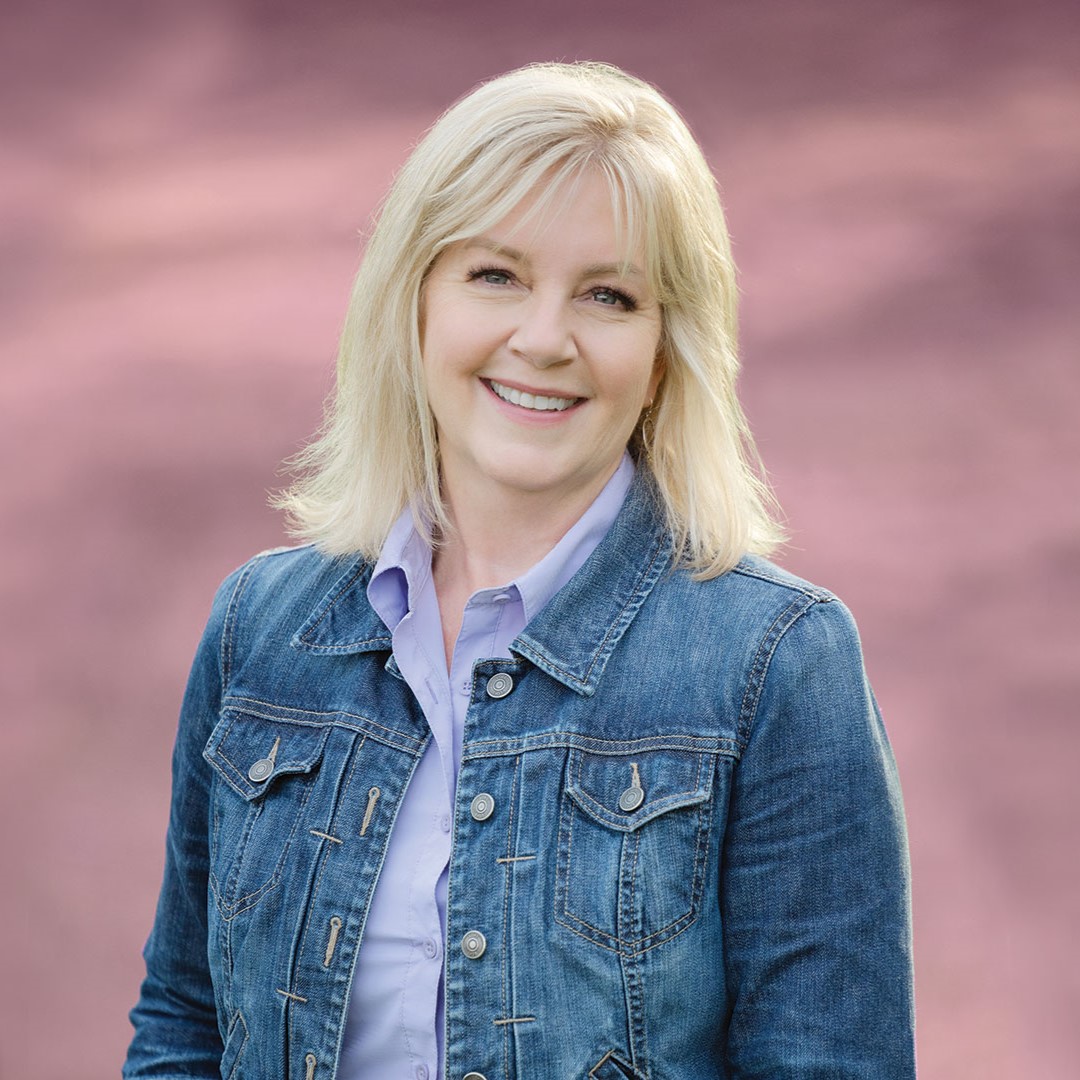
Susan Link. Photo: Susan Link
Susan Link advocates for awareness of two little-known heart health conditions.
When Woodbury resident Susan Link turned 60, the milestone birthday and a recent read prompted her to think about her future health—not just living longer but living well. “I am a huge reader, and I came across a book that introduced me to the concept of ‘healthspan’ versus lifespan,” Link says. “It means living in a way where every year is a healthy year, and you don’t have this marginal decade of poor health.”
Link began researching blood tests, mentioned by healthspan advocates, that can help reveal some usually hidden health risks. Her family history also raised concerns. “My dad’s side of the family had a lot of heart disease issues and cardiovascular issues,” Link says. During her regular checkups, she pushed to be tested for lipoprotein(a), usually called Lp(a) or “L-P-little-a”, a genetic marker linked to increased cardiovascular risk. “But my doctors said, ‘You’re in good health. You have normal cholesterol, and that’s really not needed.’ And I didn’t know enough to push back.”
Determined to know her risk, Link arranged for a blood test independent of her health system. “Among a hundred other biomarkers, everything came back beautiful. I looked like the picture of health. And then my Lp(a) marker came back, and it was obscenely high—not just a little high. I started panicking because I was learning that I didn’t have a little bit of a risk factor. I had a significantly higher risk for cardiovascular disease.”
Link’s research eventually led her to the Family Heart Foundation, a national organization that focuses on two specific genetic conditions connected to cardiovascular risk: elevated Lp(a) and familial hypocholesterolemia (FH). On the foundation’s website, it offers free care navigation, helping visitors find cardiology care and figure out next steps after testing.
Through the foundation’s help, Link found a cardiologist who “took me very seriously,” she says, and developed a preventative care plan that includes lifestyle adjustments like diet and exercise.
Today, Link is passionate about raising awareness of these lesser-known cardiovascular risk factors—especially because they’re so common. “FH is estimated to affect one in 250 people, and elevated Lp(a) affects one in five,” she says. She started volunteering as an ambassador for the Family Heart Foundation and is working hard to spread the word in Woodbury. “We have a booth at community events, races [and] we’ll go into workplaces and talk to various departments.” Her ambassador training was comprehensive, including talking with global experts and learning about potential drug treatments in development and lifestyle changes that can help make a difference.
Her message to neighbors is clear. “There’s a free test,” Link says. She encourages everyone to visit cholesterolconnect.org, where you can request a free test for elevated Lp(a) and FH via mail. “You poke your finger, send it back and within a week or two, you get your results. If a person ends up with high levels, the Family Heart Foundation has free care navigation.”
Link also emphasizes family screening because both conditions have a genetic component. “It’s for their kids, for their sisters and brothers or their parents,” she says. The Family Heart Foundation helps patients organize “cascade screening,” where it reaches out to close family members based on an original test to talk about next steps.
“I am so lucky,” Link says. “My story is a prevention story.” She wants to help other families tell their prevention stories, too, before it’s too late.
These statements are for informational purposes only and are not intended as medical advice. Consult your doctor or a qualified health care provider with any health concerns.