Photos: Chris Emeott
Cooking classes can be intimidating—especially if they include new or different cuisine. Participants may be unsure of what to expect or worried they won’t appreciate the food. But when Mimi Selam Asfaha is at the head of the class, any nerves quickly go away.
Chef Mimi says that within minutes of taking her class, attendees are laughing, rolling dough, chopping ingredients and learning more than just how to construct a recipe; they’re forming friendships and an appreciation for what they’re capable of when they put their mind to it. “After people take one of my classes, they almost always come back to try another one,” she says.
The chef offers classes for people of all ages through South Washington County (SoWashCo) Community Education. Her classes include dishes from her Ethiopian roots to handmade pasta to other fan favorites like Jamaican Jerk Chicken and Chocolate Pistachio Dubai Cookies.
Even before she was Chef Mimi, she had a fascination with the kitchen. “I’ve been cooking basically my whole life,” she says, adding she turned the hobby into a profession in 2017. While it was a hobby, she was living in Farmington, often cooking for her friends and neighbors. Amazed by her skills, those trying her food suggested she teach community education classes. “I didn’t realize that would be good for community education,” Chef Mimi admits with a laugh.
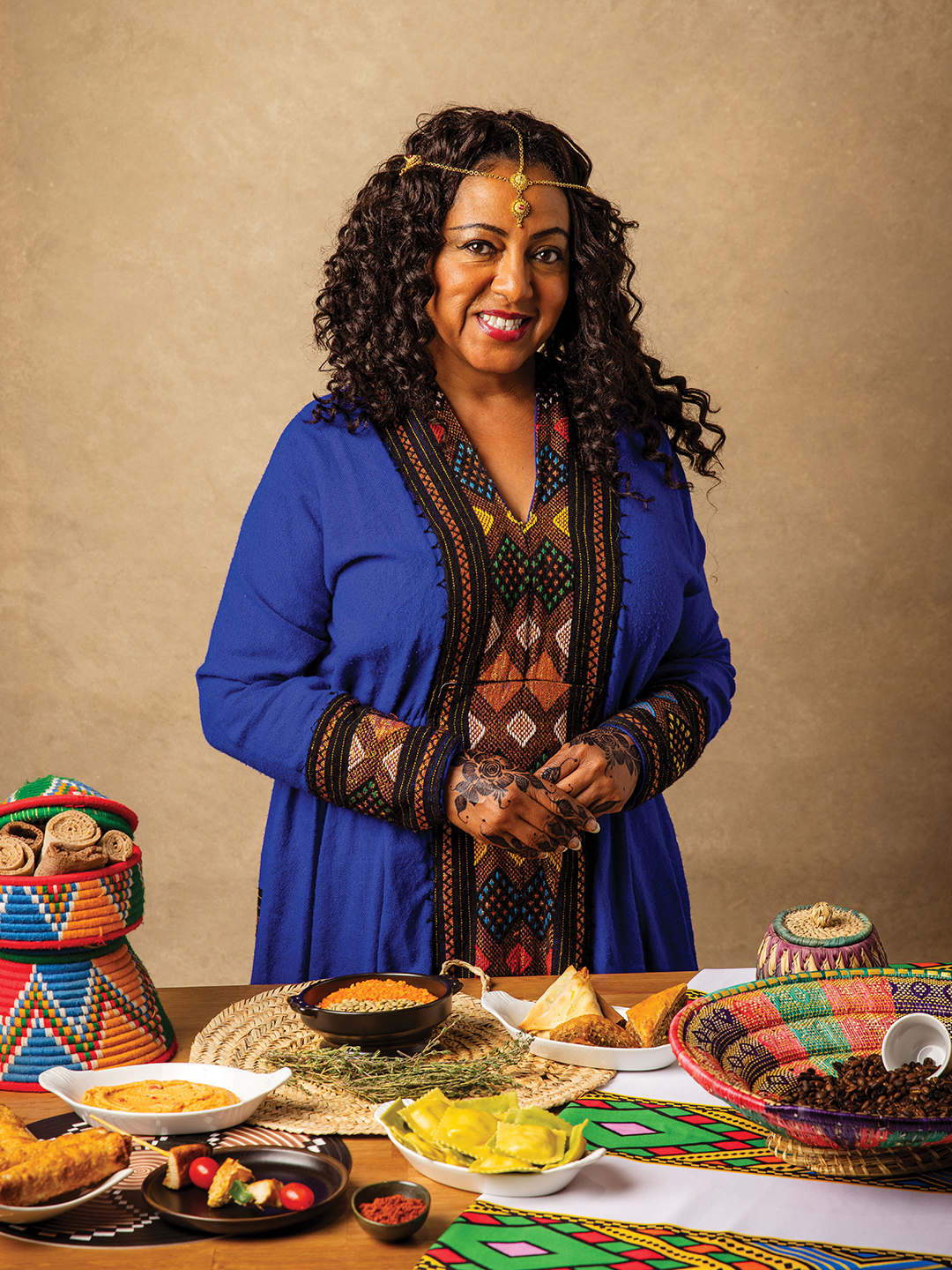
Mimi Selam Asfaha, known as Chef Mimi to her students, offers cooking classes throughout the Metro, including through South Washington County Schools Community Education in Woodbury. Hair by Kissy Braids; jewelry and décor by Habeshawi Market; and nails by Turbo Nails in Cottage Grove.
Proud of growing up in Ethiopia, Chef Mimi incorporates food from her roots in her classes, but because her father worked for the United Nations, she and her family traveled often, which exposed her to different cuisines and cultures from around the world.
“People liked learning to cook the Ethiopian food,” Chef Mimi says of her first classes. Determined to add more offerings, she tapped into her Italian heritage from her great-great-grandparents and started handmade pasta classes. It worked. Word spread that her classes were worth the hype, and she was contacted to teach all over the Twin Cities, western Wisconsin and beyond.
“I love all the people I get to meet and watch them try new foods,” Chef Mimi says. “I knew this is what I was meant to do.” She laughs, because her degree is in computer science—but when the culinary world came calling, she knew the kitchen was where she belonged. “Computer science and cooking aren’t really similar, but I knew I made the right choice,” she says.
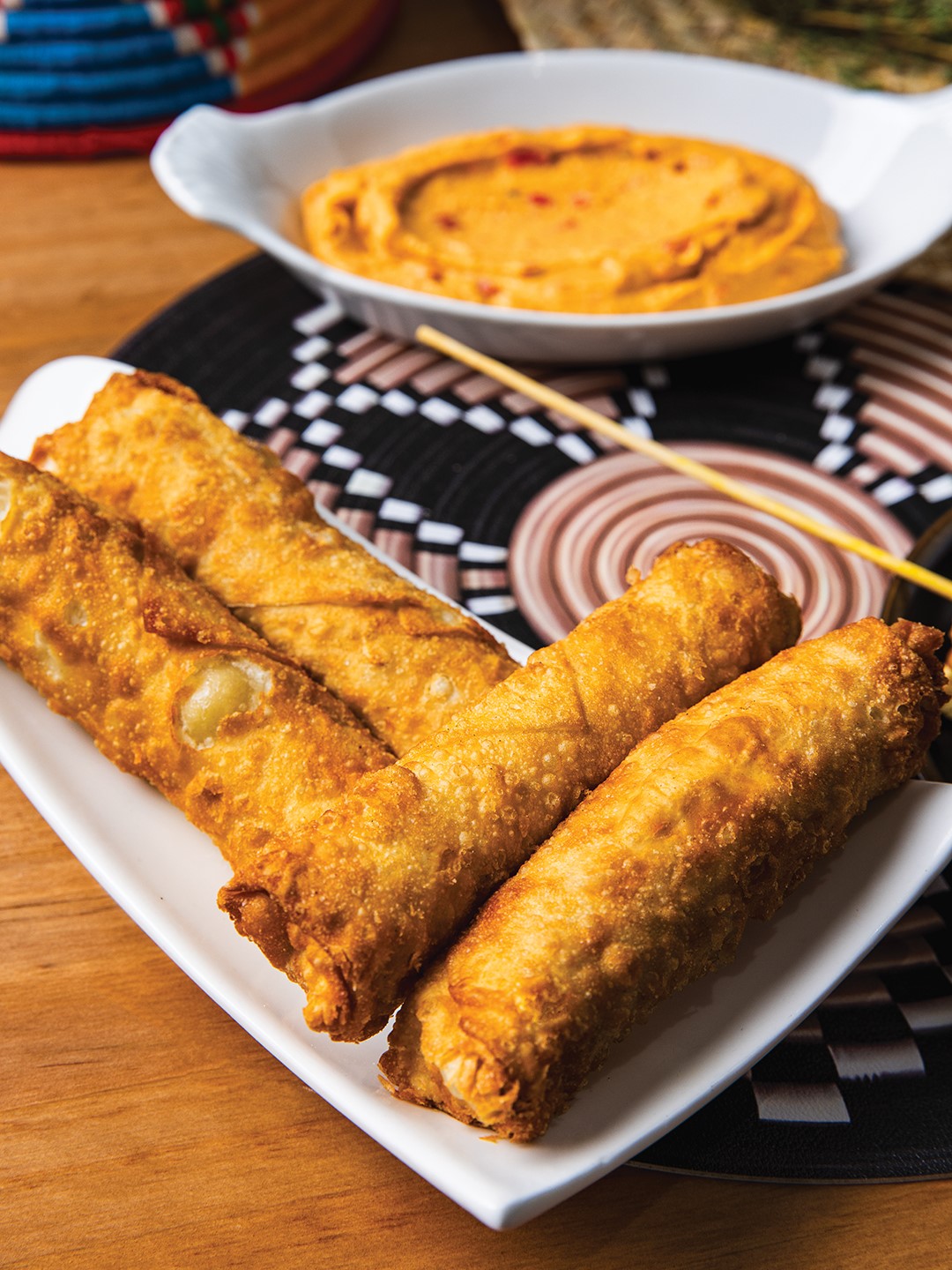
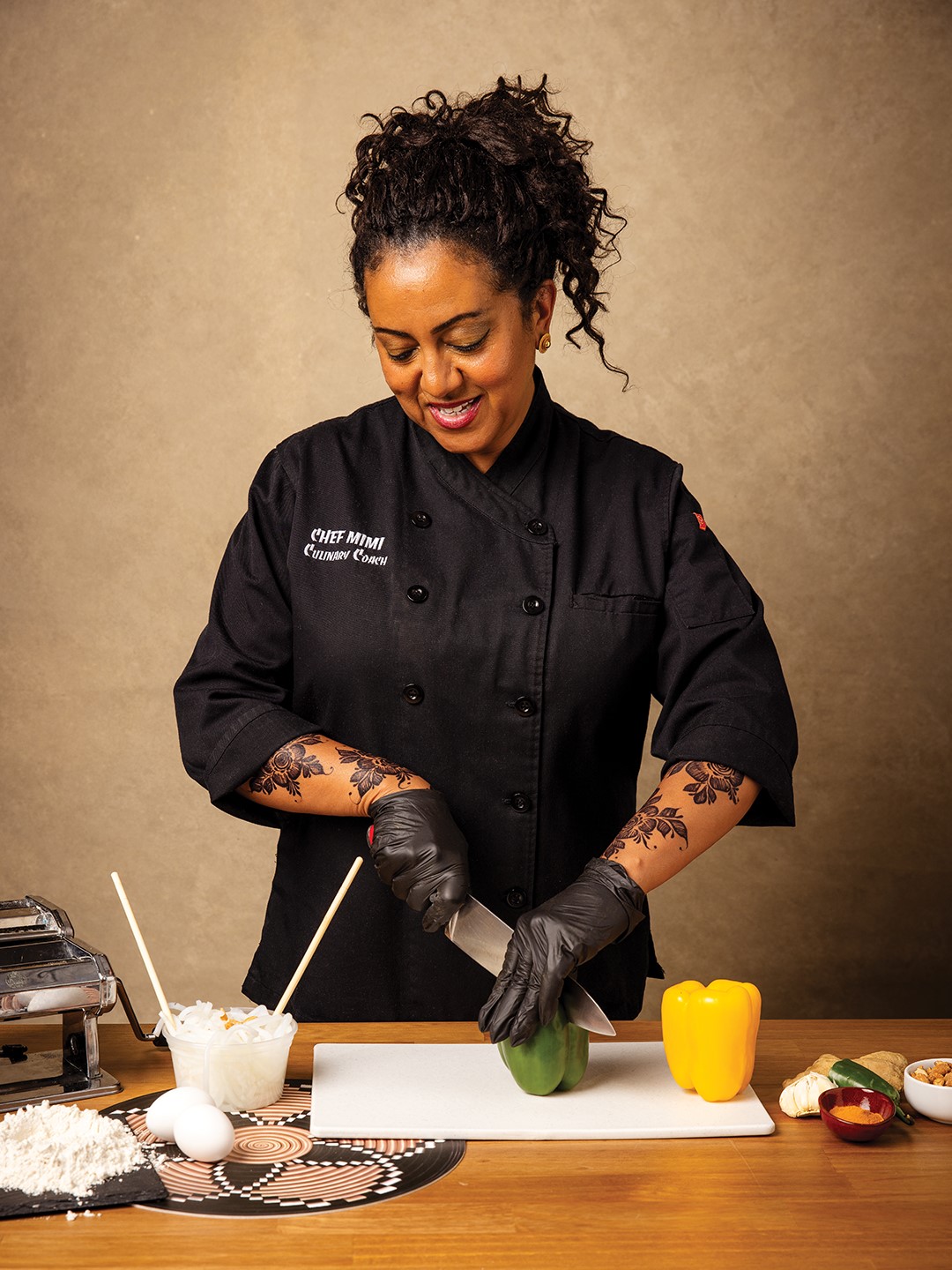
In Chef Mimi’s cooking classes, participants of all ages learn to make egg rolls and use new flavors such as berbere and cardamom.
Her students would likely agree. Chef Mimi is in high demand beyond community education classes. She also teaches in-home cooking classes, workshops for corporate or leisure events, summer camps and more. She has also made appearances on local news programs, donning her Habesha Kemis—a traditional, hand-woven garment worn for celebrations accompanied with gold or silver jewelry—to highlight her roots along with her recipes. “I got a little nervous before being on TV, but like students who are nervous before taking my classes, I got comfortable right away,” she says. “It was a lot of fun.”
Cooking offers connections between Chef Mimi and her audiences, whether they’re right in front of her or on the other side of a screen. Recipes that involve making pasta by hand become especially popular, leaving students eager to learn more and try other new things. “I love when curiosity takes over for people in my classes and they want to try new things,” she says.
Chef Mimi’s summer camp classes for area youth help kids learn skills beyond reading a recipe. She also shows proper and safe food preparation, while introducing young taste buds to new flavors. “Especially in the summer, children might be home alone while their parents are working,” she says. “I like to teach how to make things that are good for them and how to do that safely.”
These techniques allow children to prepare foods beyond pizza and chicken nuggets. Children learn to make egg rolls and pasta, using new flavors like berbere and cardamom. “And if they don’t like it, that is OK,” Chef Mimi says. “I don’t force people to eat anything, but I do love it when they try new foods. Most of the time, they are surprised [that] they like it.”
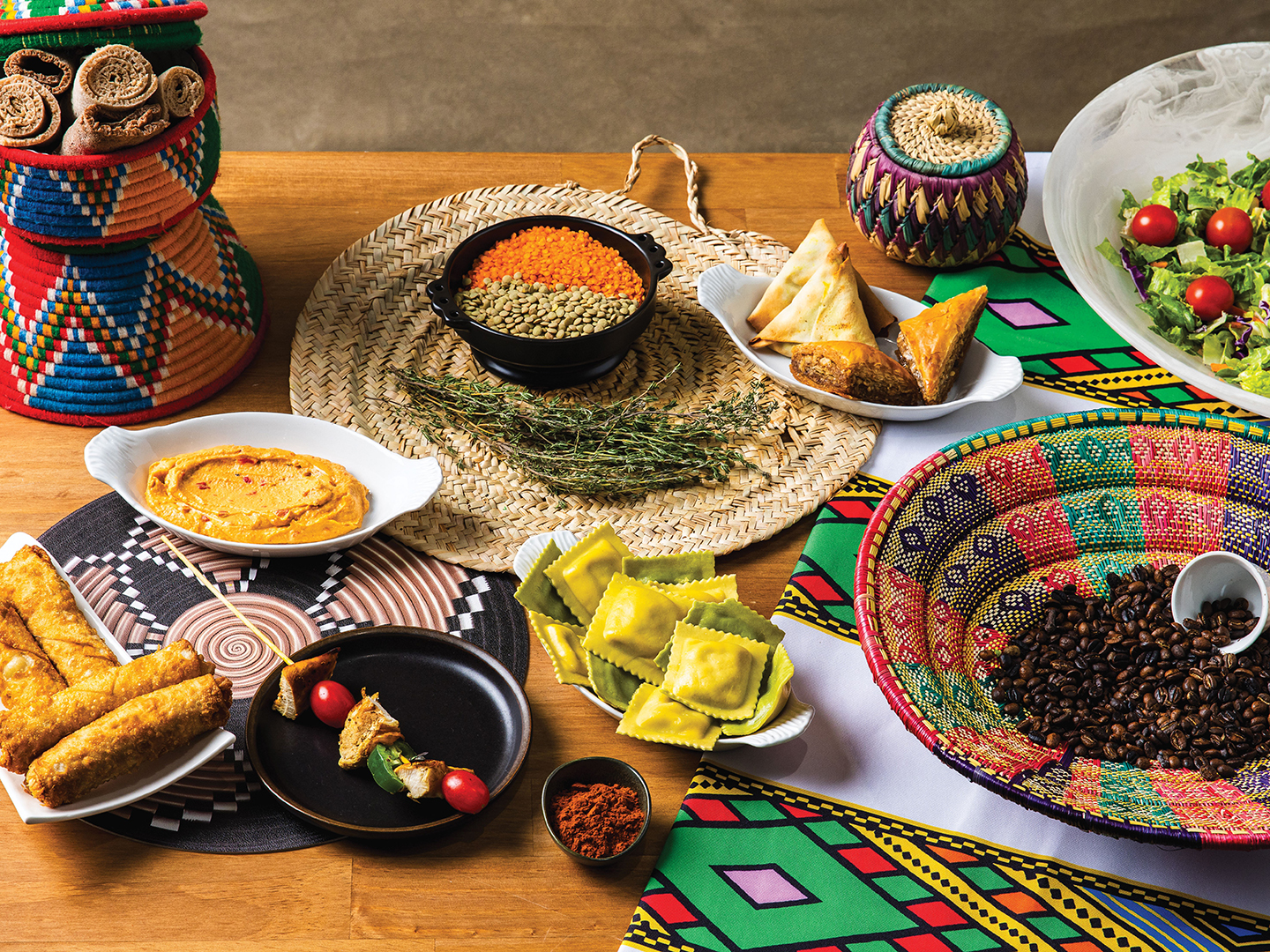
Join one of Chef Mimi’s cooking classes, and learn how to make a variety of new dishes from varying cultures, including Ethiopian, Italian and more.
Looking ahead, Chef Mimi plans to create new classes and has her sights set on a lifelong dream of opening her own restaurant, as soon as she finds the right location. “I would offer classes there too,” she says.
Chef Mimi is very passionate about cooking, but also the support the community has given to her to allow her to do what she loves and what she excels at. “This area has been so supportive of me,” she says. “I’ve been able to have [many opportunities] from people believing in what I do.”
And what is Chef Mimi’s advice for anyone thinking about taking a cooking class? Try it. “You do not have to be a good cook or even know how to cook,” she says. “Just come with an open mind.” For Chef Mimi and the flavors she fuels, it has a way of bringing people together both in the kitchen and beyond.
Mimi’s Cooking Class
Facebook: Mimi’s Cooking Class