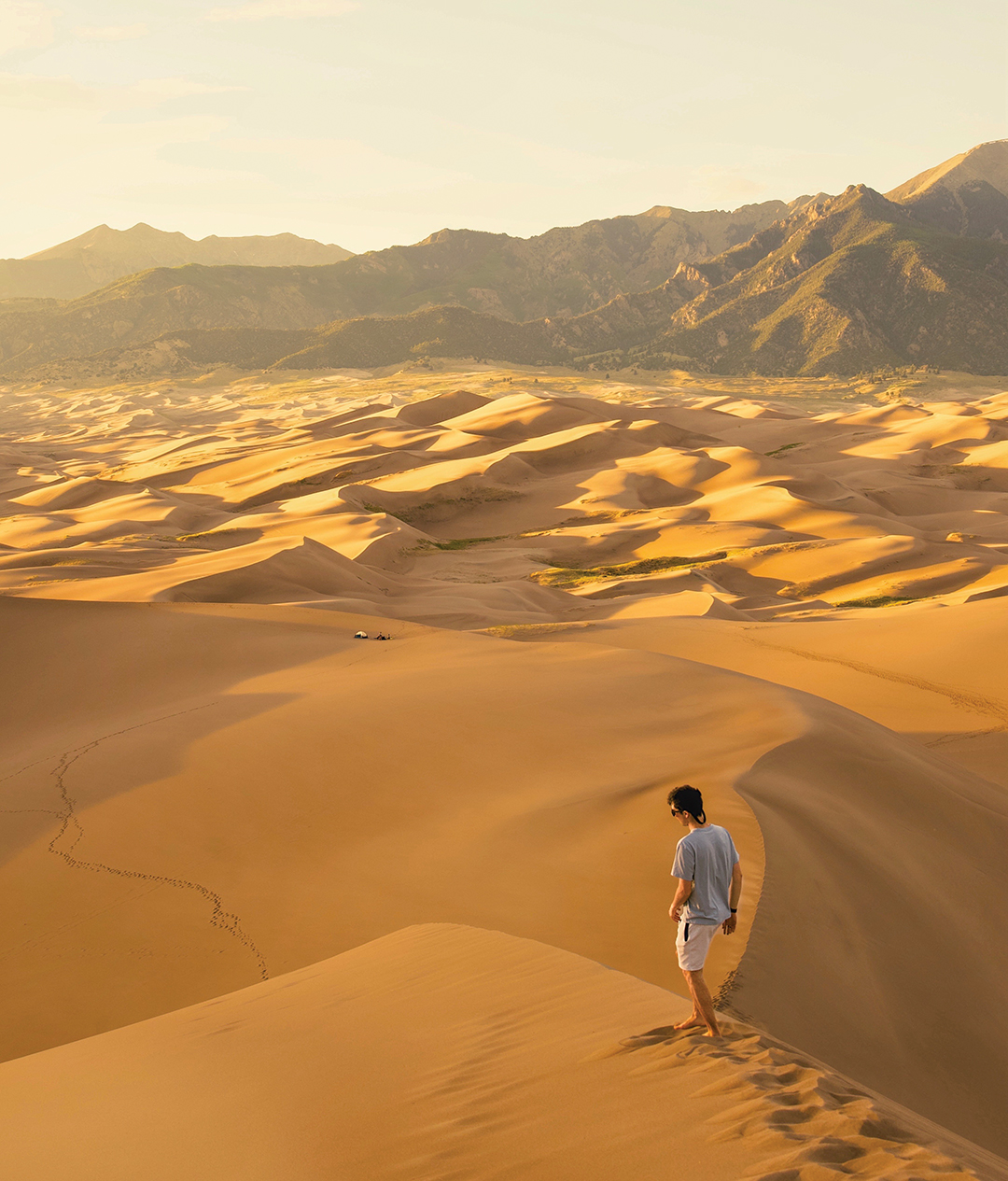
After pitching their tent in Colorado’s Great Sand Dunes National Park last June, Joseph Shoemaker and friends decided to hike up the dunes to watch the sunset. Taken by his friend, Sofia, with his Sony A7IV camera paired with a Sony 28–75mm F2.8 lens. Photos: Joseph Shoemaker
Joseph Shoemaker inherits his grandfather’s love for photography.
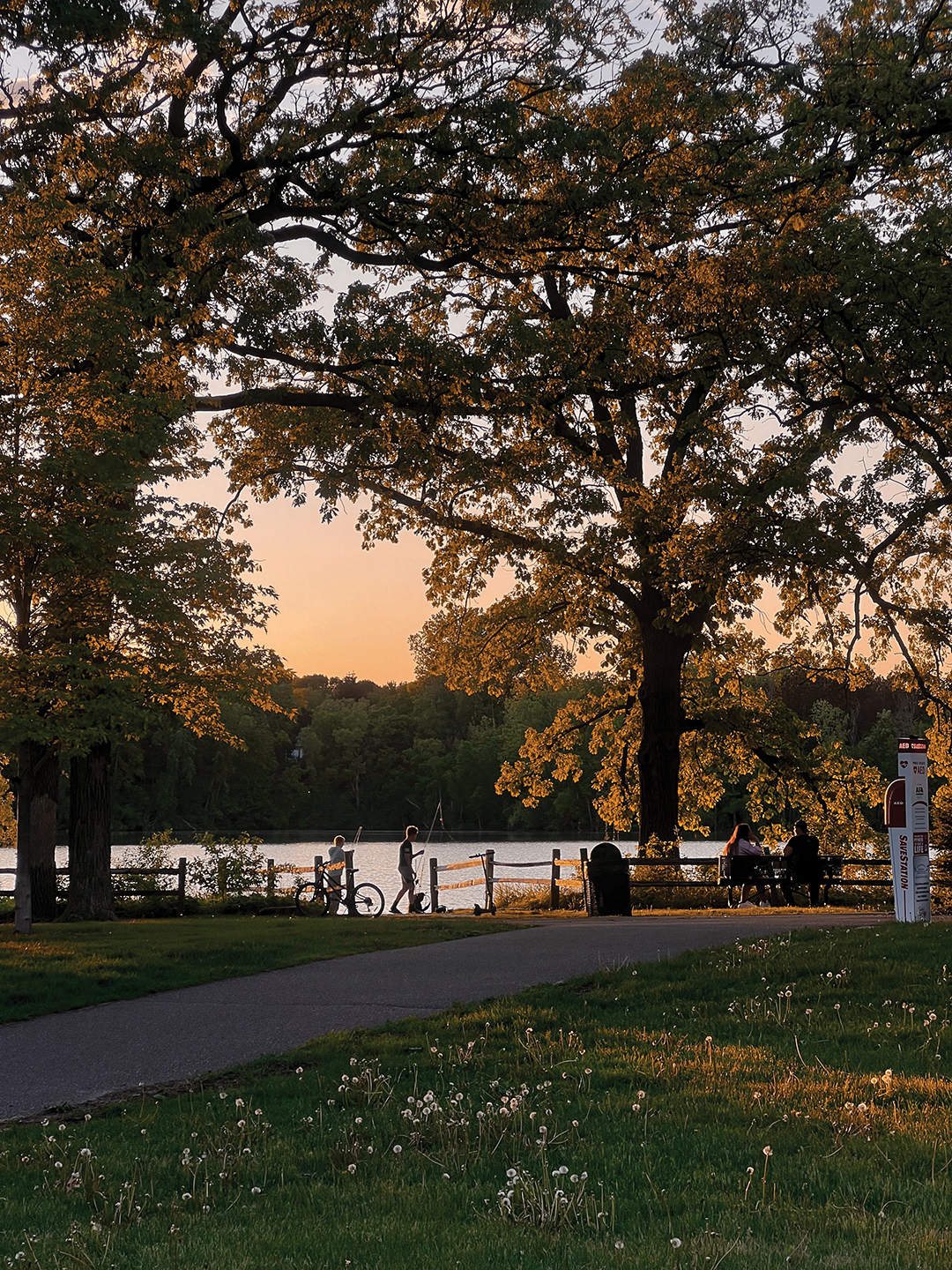
Whether it’s the beaches of Australia, the architecture in Tokyo or the streets here in Woodbury, Joseph Shoemaker finds beauty all around the world. “Every country is unique in their own way,” he says.
“I want to bring the experience of traveling back home for people who might not get out and about.”
Shoemaker’s passion for photography started as a young child growing up in Woodbury; his grandfather, Harold Revoir, enjoyed taking photos as a hobby and curated a collection of cameras. Revoir ultimately taught Shoemaker the basics, and that’s when the passion started taking form.
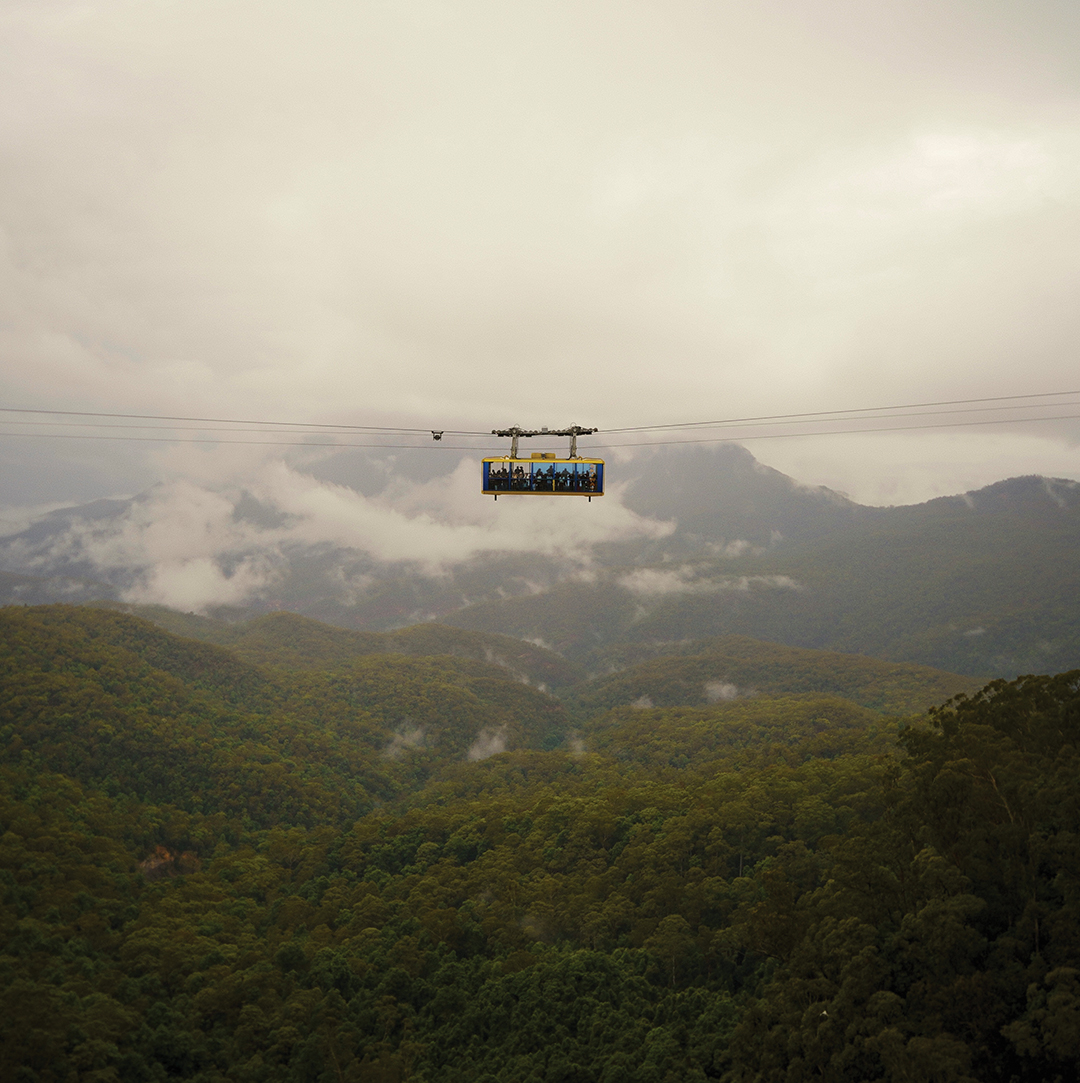
In April 2023, Joseph Shoemaker and friends visited Australia’s Blue Mountains, where the mountains are tinted blue from surounding trees releasing eucalyptus oil in the air. “I discovered this scenic cable car going back and forth every 30 minutes, so I had to time my shot just right when it passed by using my Sony A7III camera and a 24–220mm lens,” Shoemaker recalls.
Although Shoemaker is a scientist by day—he obtained a Bachelor of Science in chemistry at the University of Minnesota—he inherited his grandfather’s love of photos and pursues it as a side quest. But the two are similar, Shoemaker says. “Fellow friends of mine who do photography inspired me to keep going and keep doing something I love as a passion rather than something that’s aggressively pursued,” he says. “That’s what has made it more enjoyable and fun, and I can experiment [with photography] like a scientist.”
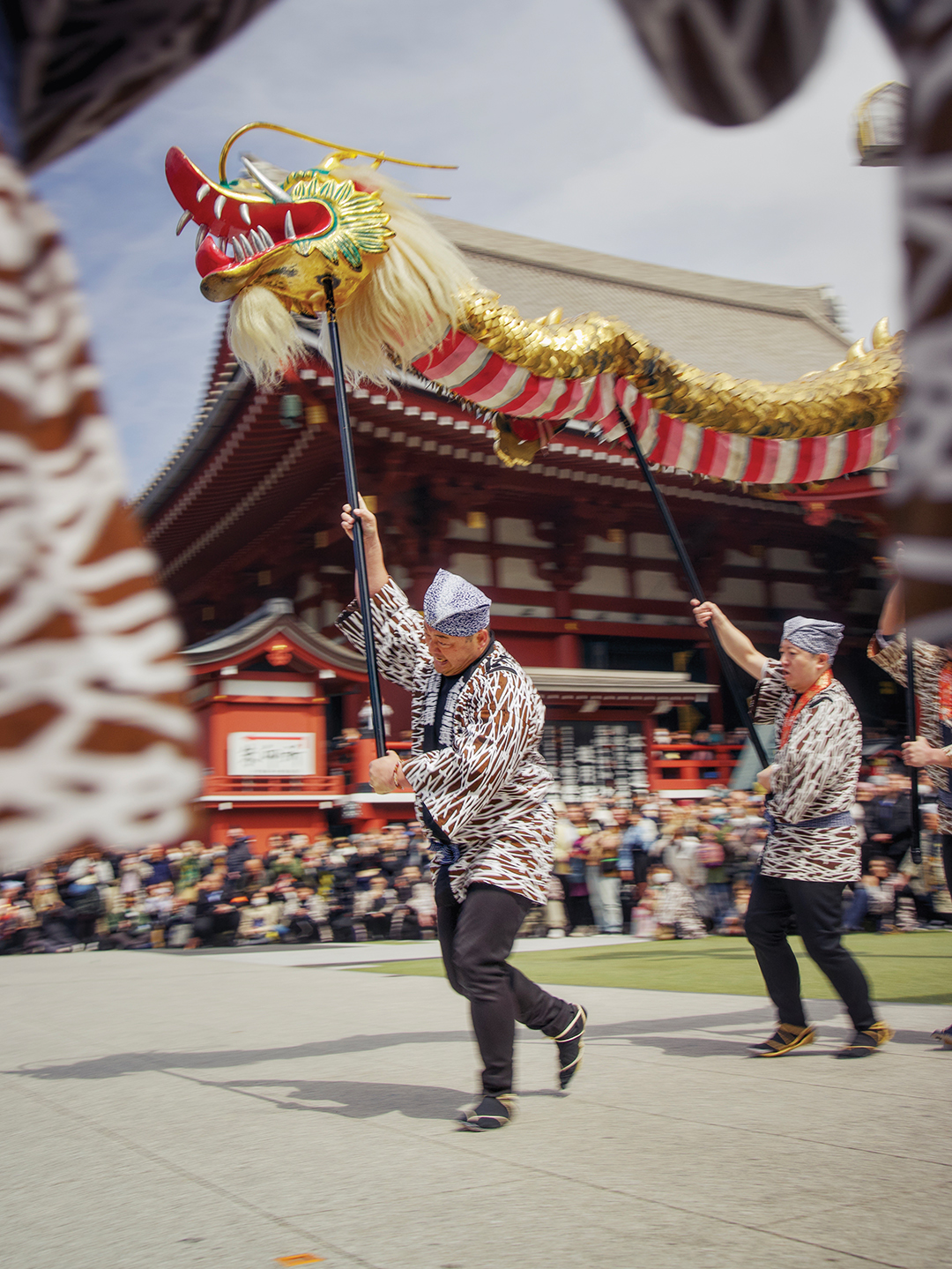
In March 2025, Joseph Shoemaker and his sister, Christine, visited the Sensōji Temple in Tokyo, where they witnessed the Golden Dragon Dance. “You can see two performers on either side, and I just happened to find an opening in between them to take the perfect shot,” he says.
Shoemaker’s style has evolved over time. “I really like trying new things. I think [photography is] super subjective. There’s no right, wrong, good or bad. It’s just a photo,” he says. Recently, he has been toying with drone photography and utilizing older equipment (including a camera on his Nintendo DS) to capture scenes around the world. “It’s old school and brings you back to childhood. I love the terrible quality, so why not shoot photos with it?” he explains, noting that the aesthetically-pleasing graininess of the photos falls into a category all its own.
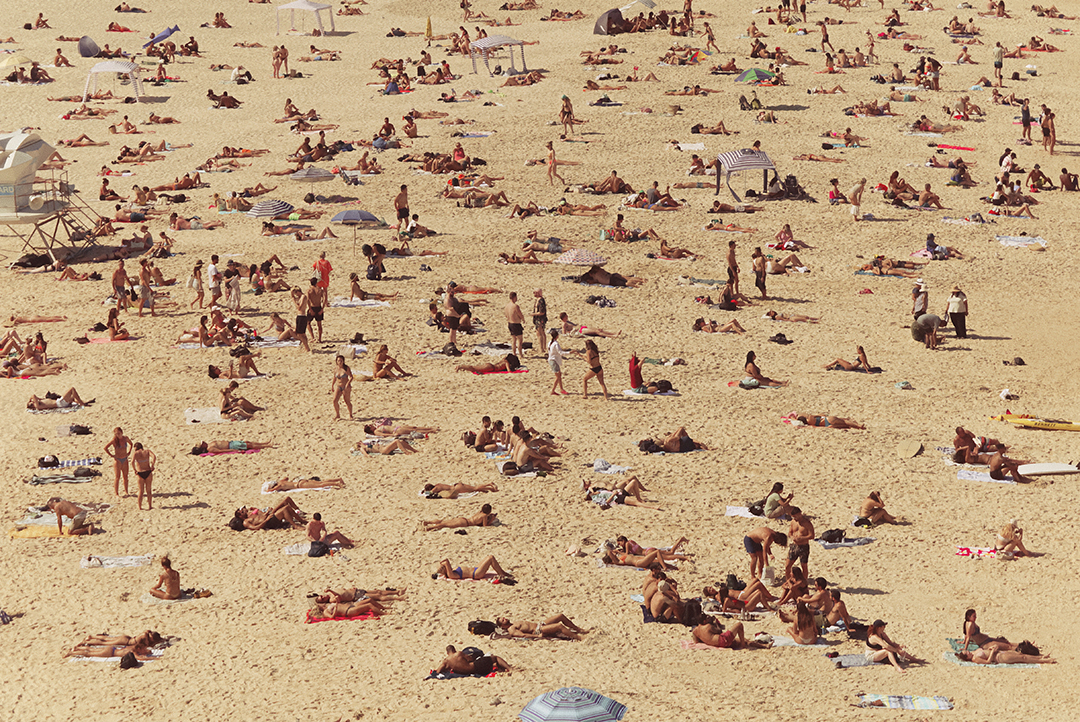
During his last undergraduate semester, Joseph Shoemaker studied abroad in Sydney, where he joined the University of Sydney Photography Club. During a club beach walk, he captured the famous Bondi Beach. “It just felt like a Where’s Waldo? picture just by the sheer amount of equally spaced people,” Shoemaker says, noting he used a Sony A7III and Sony FE 24–240mm lens to capture the scene.
No matter what style of photography he’s pursuing at the moment, Shoemaker hopes to evoke a variety of emotions—including wonder, a feeling that he says is challenging to elicit as an adult. “It’s an emotion we all share as human beings, whether you’re a kid or an adult,” he says. “Our imagination is harder and harder to come by as we become adults. We go to work. We come back. We have our routines set in stone. As a kid, the world is still so young and open. There’s so much to explore … I want to keep the mystery alive through my photographs.”
![Joseph Shoemaker shares a different viewpoint of Woodbury with his drone photography. Taken in March 2023 with a DJI Mini Pro 3, Shoemaker captures Prestwick Golf Course donned in autumnal orange, red and yellow tones. “I flew my [drone] straight up from Colby Lake Park and managed to capture the beautiful fall colors of the trees in transition,” he says. “This was my favorite photograph I had taken that day as the sunlight was just right.”](https://woodburymag.com/wp-content/uploads/2026/04/2-josephshoemakerPrestwick.jpg)
Joseph Shoemaker shares a different viewpoint of Woodbury with his drone photography. Taken in March 2023 with a DJI Mini Pro 3, Shoemaker captures Prestwick Golf Course donned in autumnal orange, red and yellow tones. “I flew my [drone] straight up from Colby Lake Park and managed to capture the beautiful fall colors of the trees in transition,” he says. “This was my favorite photograph I had taken that day as the sunlight was just right.”
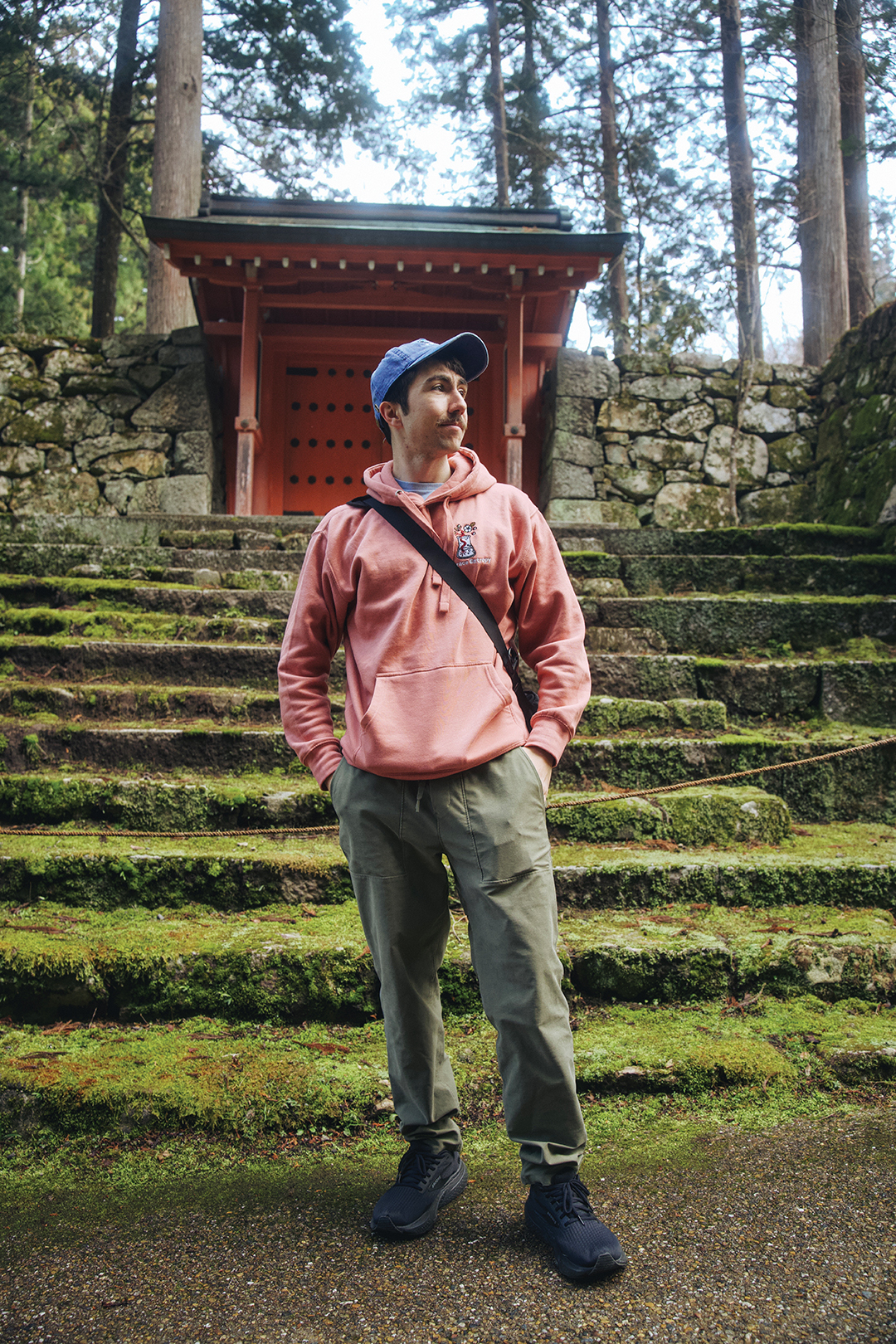
In March 2025, after visiting Tokyo, Joseph Shoemaker and his sister, Christine, took the Shinkansen (bullet train) to Ōhara, Kyoto, where they visited Sanzen-in Temple, which “dates its origins back to the early ninth century by Saicho, the founder of Tendai Buddhism,” he says. Christine captured this photo on the temple grounds.
No matter the locale or the equipment, Shoemaker says it all goes back to wonder. “Keeping that alive keeps the world going round,” he says.
View Shoemaker’s photographs on display at Central Park (8595 Central Park Place) throughout May.
A Lasting Impact
Joseph Shoemaker has taken his cameras around the world—but the one spot that he continuously thinks of? Hiroshima. “I could tell, right away, getting off at the subway station, walking around the city, that this would be a different experience,” he says. Throughout all of his travels, he says that day trip to Hiroshima has left its indelible mark. “Everything you saw around there was rebuilt since the tragedy that was in 1945 [when the United States detonated two atomic bombs over Hiroshima and Nagasaki] … We went to a building that was the last standing building around after the explosion. These ladies out there who were giving tours were bomb survivors,” he recalls. “After hearing their free public speeches, I started bawling my eyes out, crying, because it was so impactful to hear how they were explaining their story and what happened here. It is such a different experience than watching it on TV or seeing a photograph … No photo can reach the potential story telling of being there in person.”
Joseph Shoemaker
Instagram: @joeshoeeeephoto